

How Petronas Revenue Funds Malaysia’s Budget
Petronas isn’t just an oil company — it’s a major revenue source for the federal budget. Discover how petroleum dividends shape government spending.
Read MoreCrude palm oil prices swing wildly. Here’s what actually drives those swings and why Malaysia watches them so closely.
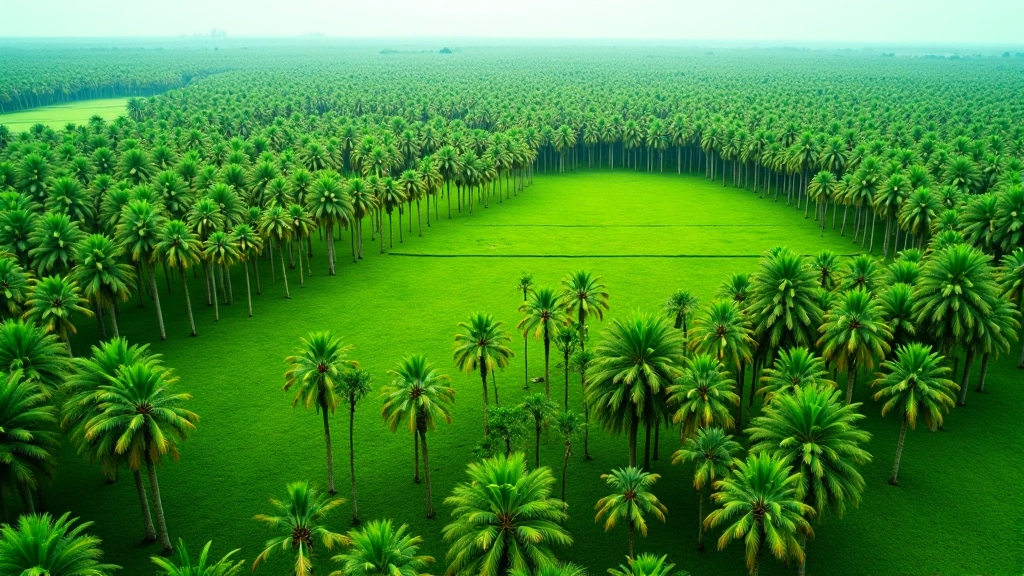
Crude palm oil isn’t just another commodity. It’s woven into Malaysia’s economy in ways that affect everything from government budgets to rural livelihoods. When CPO prices drop, Malaysia feels it immediately.
The price swings can be dramatic. You’ll see CPO trading at $400 per ton one month, then jumping to $650 the next. Those movements aren’t random — they’re driven by global supply, demand, and economic forces that we can actually understand.
This is where things get interesting. Understanding the CPO cycle isn’t just academic. It’s about recognizing why Malaysia’s economy faces real challenges when it relies too heavily on one commodity. That’s the Dutch disease story — and it’s something Malaysia is actively working to address.


Global palm oil production comes from a handful of countries. Indonesia produces about 60% of the world’s supply. Malaysia produces roughly 25-30%. That concentration matters — a lot.
When weather hits Indonesia hard, CPO prices jump. El Niño brings drought to Southeast Asia. Floods happen. Suddenly, palm yields drop and prices spike. We’re not talking about small shifts — we’re talking 20-30% price movements based on weather patterns thousands of miles away.
Here’s the thing — palm takes 4-5 years from planting to first harvest. So production decisions made today won’t show up in global supplies until 2029 or 2030. This lag means the market’s often reacting to information that’s months or years old.
Palm oil ends up in everything. Food products, biofuels, cosmetics, industrial applications — about 70% of global palm oil gets used in food. That’s why demand follows economic growth patterns.
When China’s economy grows, demand for vegetable oils rises. When Europe pushes biodiesel mandates, demand for palm-based biofuel increases. When recessions hit, demand contracts. The 2008 financial crisis? CPO prices collapsed because demand fell off a cliff.
India and China together account for roughly 35% of global palm oil consumption. Their growth trajectories directly impact CPO prices. It’s not a coincidence that when emerging markets slow down, palm prices weaken.

Price cycles follow a recognizable pattern. Understanding it helps you see why Malaysia’s economy gets caught in a boom-bust trap.
Global demand is strong. Supply tightens. Prices climb. Malaysia’s export revenues soar. Government budgets expand. Petronas dividends flow in. Everyone celebrates the commodity windfall.
High prices attract investment. New producers enter the market. Supply increases. Demand weakens as global growth slows. But governments already committed spending based on peak revenue projections. That’s where the trap starts.
Oversupply crashes prices. Malaysia’s export revenues collapse. Petronas dividend drops. Government revenue shrinks. But budgets don’t shrink as fast. Deficits widen. Economic growth slows.
Eventually, supply adjusts downward. Demand returns. Prices recover. The cycle begins again. But each cycle, Malaysia hasn’t diversified enough. The economy remains dependent on palm oil luck.
“The problem isn’t the cycle itself — it’s that Malaysia keeps getting caught in it. When prices are high, it’s tempting to rely on that income rather than build new industries.”
Here’s where it gets important for Malaysia’s federal budget. Petronas — the national petroleum company — contributes dividends to the government. Those contributions are massive. In boom years, they can represent 10-15% of federal revenue.
But Petronas’s profits depend on oil prices, which follow their own cycle. When both oil and palm prices are high simultaneously, Malaysia’s government enjoys unprecedented revenue. When both are low? That’s when budget pressures become real.
The 2014-2016 oil price collapse hit Malaysia hard. Petronas dividends plummeted. Government revenue fell sharply. Combined with lower palm prices during the same period, Malaysia faced a genuine fiscal squeeze. That’s when you see governments cutting spending on education, infrastructure, and social services.
Malaysia’s reliance on these two commodities creates vulnerability. It’s not about the price swings themselves — it’s about building an economy that doesn’t depend on commodity luck.

Understanding the CPO cycle is the first step. The real challenge is what Malaysia does about it.
Building semiconductor, electronics, and advanced manufacturing sectors creates stable employment and export revenue that doesn’t depend on commodity prices.
Developing Islamic finance, wealth management, and regional financial hubs generates high-value services that scale without commodity dependency.
Expanding beyond palm oil, Malaysia invests in tourism infrastructure, hospitality, and experience economies that employ millions with stable demand.
Instead of exporting raw CPO, developing downstream processing, specialty products, and branded consumer goods captures more value per ton.
Malaysia isn’t stuck. The government recognizes the cycle and is actively building alternatives. But it takes time. Manufacturing facilities take years to build. Financial sectors take decades to develop. In the meantime, the CPO cycle continues — and understanding it helps you see why economic diversification isn’t just nice-to-have policy. It’s essential survival strategy.
CPO price cycles aren’t mysterious. They’re driven by supply, demand, and the lag between decisions and outcomes. Malaysia watches them closely because they matter — not just to palm farmers, but to government budgets, national revenue, and economic stability.
The real story isn’t the cycle itself. It’s what happens when an economy becomes too dependent on commodity luck. That’s the Dutch disease risk — and it’s exactly why diversification isn’t just economic theory. It’s survival.
Next time you see a headline about CPO prices, you’ll understand why Malaysia is paying attention. You’ll also understand why the country is investing so heavily in becoming less dependent on that attention.
This article provides educational information about commodity price cycles and Malaysia’s economic structure. It’s not financial advice, investment guidance, or economic forecasting. Commodity prices are influenced by countless variables — weather, geopolitics, currency movements, speculation, and more. Past price patterns don’t predict future prices. If you’re making investment or policy decisions based on commodity markets, consult with qualified economists, financial advisors, or industry experts. Economic circumstances vary by individual, region, and timeframe.