
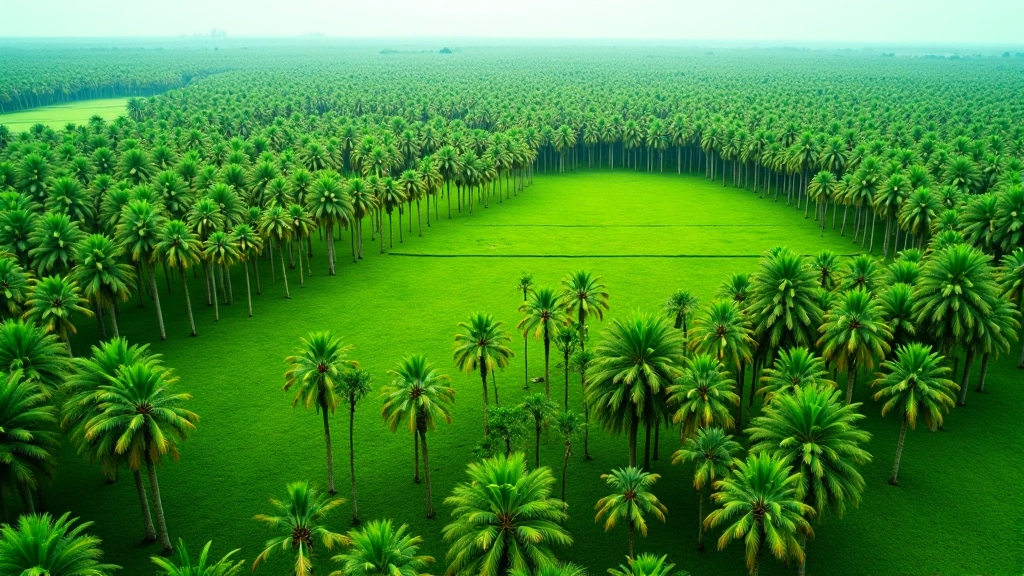
The CPO Price Cycle and What It Means
Crude palm oil prices swing wildly. Here’s what actually drives those swings and why Malaysia watches them so closely.
Read MoreEducational resources exploring how crude palm oil prices, Petronas revenue, and commodity dependency shape Malaysia’s economy. Learn about Dutch disease, economic diversification strategies, and the forces driving Malaysia’s development path.

Dive into articles that explain Malaysia’s commodity-driven economy and pathways to sustainable growth.
Crude palm oil prices swing wildly. Here’s what actually drives those swings and why Malaysia watches them so closely.
Read More
Petronas isn’t just an oil company — it’s a major revenue source for the federal budget. Understand the connection between energy prices and government spending.
Read More
It sounds backwards, but countries rich in oil or palm can struggle. Learn why commodity dependency creates economic vulnerability and what Malaysia’s doing about it.
Read More
Malaysia can’t rely on palm oil forever. Explore the industries and policies driving economic diversification and reducing commodity dependency.
Read MoreMalaysia’s economy runs on commodities. When global crude palm oil prices drop, government revenue tightens. When oil prices surge, it’s tempting to spend freely. This boom-bust cycle affects everything — from infrastructure spending to education budgets to wage growth. Understanding commodity cycles isn’t just academic. It’s about recognizing why your country’s economic direction depends partly on forces beyond Malaysia’s control, and why economic diversification isn’t optional. It’s essential.
The core challenge: Malaysia generates roughly 30-40% of government revenue from oil and palm-related sectors. That’s significant dependence on global market prices — and global market prices are unpredictable.
Five fundamental ideas that shape Malaysia’s commodity economy.
Palm oil and crude prices move based on global supply, demand, weather, and geopolitics. Malaysia can’t control these forces, only prepare for price swings.
Petronas and palm exports provide steady but volatile government income. High concentration means less revenue diversification and higher risk during downturns.
Natural resource wealth can strengthen currency, making manufacturing exports expensive. This shifts investment away from productive industries toward commodity extraction.
Government budgets tied to commodity prices face spending pressures during booms and shortfalls during busts. Planning requires commodity-adjusted revenue assumptions.
Building competitive non-commodity sectors (technology, services, manufacturing) reduces economic vulnerability and creates sustainable growth paths independent of global commodity markets.